What to Try to find in an Assisted Living Neighborhood: A Senior Care Purchaser's Guide
Business Name: BeeHive Homes of St George Snow Canyon
Address: 1542 W 1170 N, St. George, UT 84770
Phone: (435) 525-2183
BeeHive Homes of St George Snow Canyon
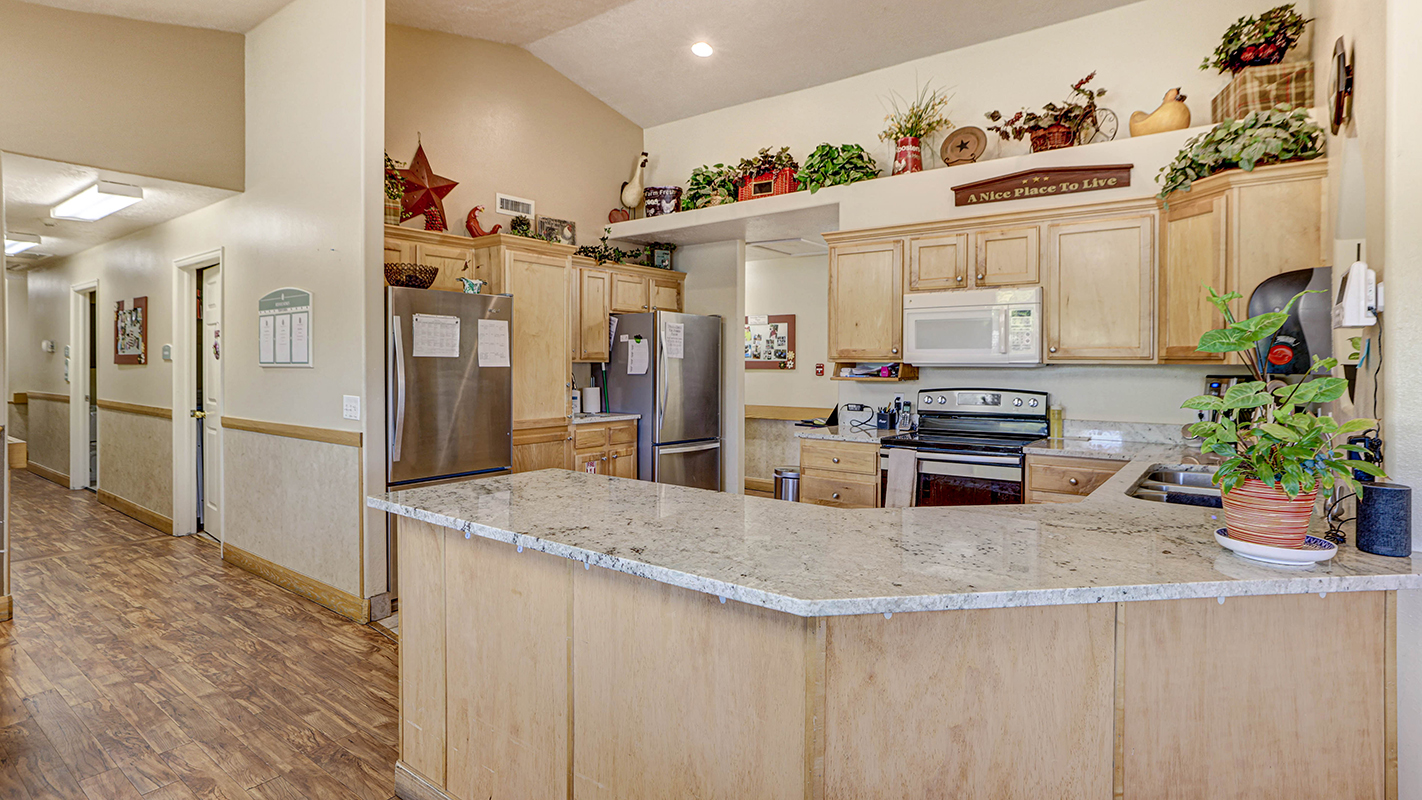
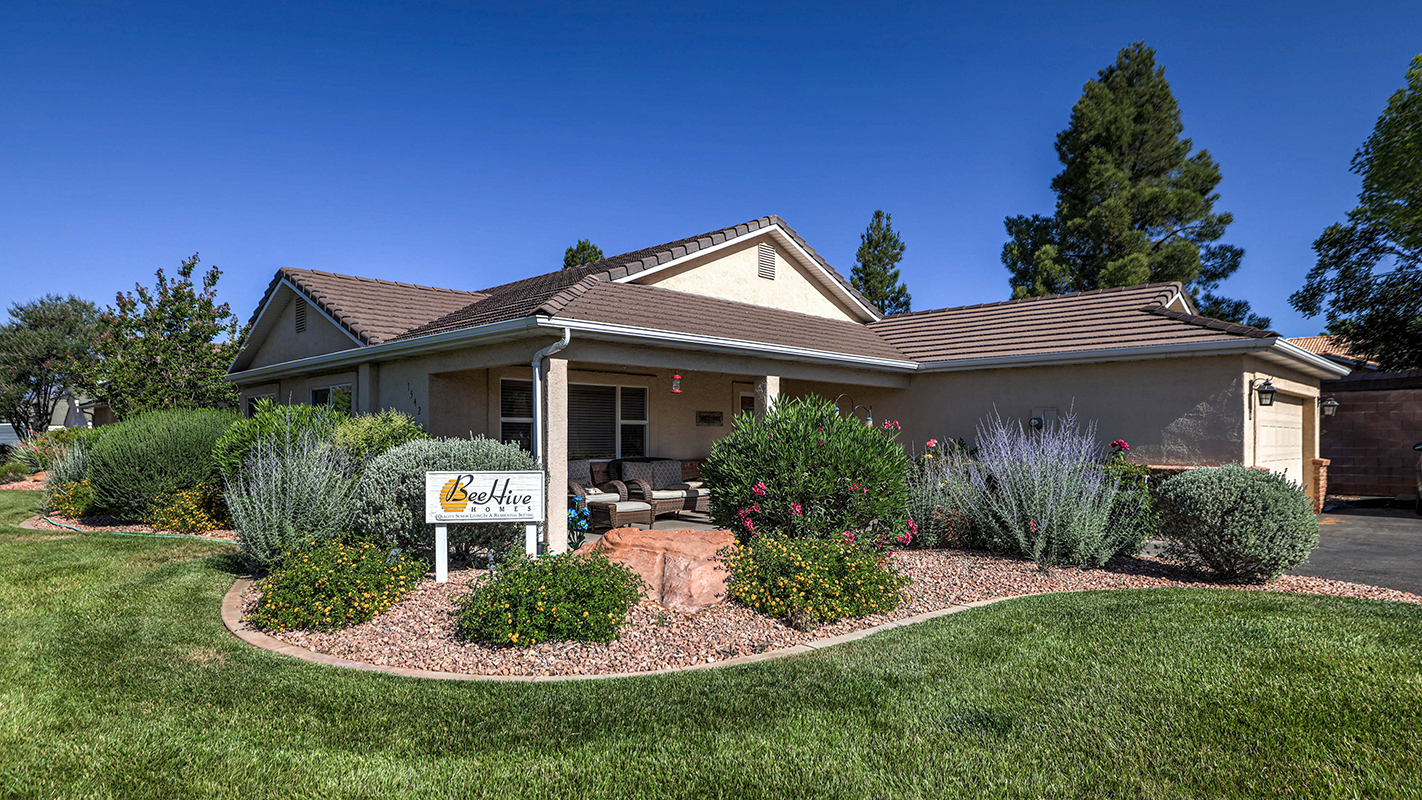
Located across the street from our Memory Care home, this level one facility is licensed for 13 residents. The more active residents enjoy the fact that the home is located near one of the popular community walking trails and is just a half block from a community park. The charming and cozy decor provide a homelike environment and there is usually something good cooking in the kitchen.
1542 W 1170 N, St. George, UT 84770
Business Hours
Choosing an assisted living neighborhood is among those choices that feels both useful and deeply personal at the same time. You are not just purchasing a service. You are helping to choose a home, a daily rhythm, and a circle of individuals who will be present for your parent or loved one when you are not.
I have actually walked through lots of communities with households, often with a sense of relief, sometimes in tears, often in quiet resignation after a health center discharge left them no time to plan. The distinction in between an excellent fit and a poor one shows up in small details: how personnel welcome citizens, whether call lights are addressed without delay, whether somebody notices that your mother hates carrots and silently swaps them out without fuss.
This guide is suggested to help you discover those information and ask sharper questions, so you can evaluate assisted living and other senior care options with clear eyes instead of glossy brochures.
Start With Requirements, Not With the Brochure
Before you tour a single assisted living building, sit down and write out what daily support is actually required. Families frequently begin with an unclear sense of "Mom needs more assistance" or "Dad is lonesome," then feel overloaded by all the features and sales language.
Think in concrete, observable terms. For example: "She needs help bathing and getting dressed every early morning," or "He forgets his medications at least twice a week," or "She can not handle stairs securely."
For most households, the core factors to check out assisted living or other kinds of elderly care fall under a couple of broad categories:
- Personal care: help with bathing, grooming, dressing, toileting, getting in and out of bed or chairs.
- Health and medication: medication tips or administration, chronic illness monitoring, support after hospitalization or surgery.
- Safety: fall risk, roaming, leaving the range on, mixing up medications, driving issues.
- Daily structure: regular meals, social contact, hydration, activities, sleep routine.
- Caregiver stress: a spouse or adult kid is exhausted or physically not able to continue supplying the required level of care.
Even a brief composed summary of these needs will keep you and any sales representative on track. It likewise assists identify whether assisted living, memory care, or a different type of senior care may fit much better. An individual who is mainly independent but separated may thrive with meals, housekeeping, and social activities. Somebody with innovative dementia or heavy medical requirements might need a different setting like memory care or experienced nursing.
Bring that needs list with you on tours, and see whether the neighborhood speaks about their services in such a way that links directly to your specific situation, not simply to generic "elderly care."
Understanding What Assisted Living Truly Provides
Families sometimes assume that assisted living is either "simply an apartment or condo with meals" or "almost like a nursing home." In truth, it sits in the middle, and that middle varies by state and by provider.
Most assisted living neighborhoods focus on:
- Providing a house or suite with some level of privacy.
- Offering meals, housekeeping, and laundry.
- Supporting citizens with individual care jobs and medication.
- Supporting socialization through activities, trips, and shared spaces.
Assisted living is usually not developed for homeowners who need 24-hour hands-on nursing, ventilators, comprehensive injury care, or intensive habits management. Laws differ by state, however the general viewpoint is to support as much self-reliance as possible with a safeguard, instead of to operate like a small hospital.
Ask directly: "What cannot you securely care for here?" The honest communities will have a clear answer. For instance, they might say they can not securely support residents who are bedbound, who require 2 staff to transfer at all times, or who have uncontrolled hostility. You wish to know where the borders are before a crisis occurs.
Using Respite Care as a Test Drive
Many assisted living neighborhoods use respite care: short stays that can last from a couple of days as much as a couple of weeks, sometimes longer. These can be extremely useful.
I have seen respite stays used for several functions:
- A safe place for an older grownup while a spouse has surgical treatment or travels.
- A "trial run" to see whether communal living is an excellent fit.
- A bridge after hospitalization when going straight home feels risky.
Unlike permanent moves, respite care is usually furnished, shorter term, and all-encompassing. You get a glance into reality there: how personnel speak to citizens in the evening, how typically activities happen as arranged, how the food tastes on a Tuesday, not just at a grand opening event.
If you are uncertain whether your parent will accept the idea of assisted living, framing it as a "brief stay while you get more powerful" or "a possibility to rest while the family regroups" is often less threatening. Some residents who resisted the relocation later inform their families, "I believe I will stay, actually. It is simpler here."
When you ask about respite, clarify whether respite citizens receive the exact same level of staffing and attention as long-lasting residents. They should. If the respite spaces are on a different flooring, visit that area particularly. It informs you a lot about how the community worths short-stay locals and, by extension, future long-term residents.
Staffing: The Difference You Feel at 7 p.m., Not on the Tour
The glossy lobby does not help when someone needs assistance to the restroom and no one answers the call bell. Personnel levels and culture are where assisted living succeeds or fails.
Salespeople frequently quote staff-to-resident ratios, but these can be misleading or cherry-picked. Dig deeper.
Ask particular concerns such as:
- How many caretakers are on each shift, consisting of over night, and how many residents do they care for?
- Are nurses on site 24/7, or on call after specific hours?
- How often are company or temporary staff used?
- What is the average length of work for caretakers and nurses here?
I when visited a stunning assisted living community with a family. The director proudly shared their activity calendar and restaurant-style dining. When we quietly asked caregivers in the hall for how long they had worked there, 2 stated "simply started this week" and another said "less than a month." There had been turnover in leadership and staff, which meant even the best policies on paper were not yet in practice. The household sensibly chose to wait and view how things stabilized.
Also take notice of how staff engage with present locals. Do they understand names without looking at charts? Do they crouch to be at eye level when speaking? Do residents appear relaxed when personnel enter, or tense and guarded?
A building can compensate for some imperfections with a strong, steady team. The reverse is hardly ever true.
Safety, Health, and Medication Management
Safety is typically the tipping point that brings families to assisted living, so it deserves more than a checkbox.
On your visit, try to find practical information: get bars in bathrooms, non-slip floor covering, handrails along corridors, adequate lighting, and clear signage that an individual with moderate cognitive problems can follow. Observe whether locals utilize their walkers and walking canes regularly, or whether you see numerous strolling unassisted but unstable. A culture that stabilizes using mobility help tends to prevent more falls.
Medication management is another foundation of senior care. Some communities merely remind citizens to take prefilled tablets, while others fully handle prescriptions, reordering, and administration. Clarify:
- Who establishes and administers medications, and what training do they have?
- How are medication mistakes reported and tracked?
- What takes place if a resident refuses medications?
- Can the community manage injectables like insulin, or complex regimens?
Another essential location is how the neighborhood handles urgent medical problems. They are not medical facilities, but they should have clear protocols. Ask how typically they call 911, what occurs if a resident falls overnight, and how they inform families. Ask whether a nurse assesses citizens after every fall or health incident, or whether that depends upon the situation.
Pay attention to how candid the staff are. You desire a community that admits that falls and diseases happen, however takes prevention and follow-up seriously.
Lifestyle: Every day life Beyond the Amenities Sheet
A complete activity calendar looks impressive, however the reality you want is easy: does your parent have real chances each day to be engaged, comfortable, and, occasionally, delighted?
Try to visit throughout a mealtime and another time, such as mid-morning or mid-afternoon. Notification whether:
Residents are present and engaged, or primarily in their rooms with doors closed.
Activities seem occurring as set up, with more than a couple of participants. Personnel gently welcome quieter locals to sign up with, or focus only on the most outbound.Think about your particular loved one. A retired engineer might delight in brain games, conversation groups, or a woodworking club more than crafts. An introvert may value a peaceful library and a walking course over big group bingo. An older grownup with visual disability might care more about audiobooks and large-print materials than live entertainment.
Ask if they change activities for mobility and cognition. A great activity director can adjust a card video game for someone with unsteady hands, or include a resident who tires easily for simply twenty minutes instead of a full hour.
Do not neglect the quieter aspects of everyday living: how the community manages mail, whether there is a location for citizens to garden, whether family pets are allowed, and how laundry is marked to avoid mix-ups. These small patterns shape lifestyle much more than the occasional special event.
Rooms, Shared Areas, and Dining
Apartments in assisted living range from basic studios to two-bedroom units with kitchenettes. Some households focus greatly on square video footage, yet the layout often matters more than raw size.
Visit at least 2 space types. Take notice of:
Natural light and window views. These affect mood even more than individuals expect.
Bathroom layout, especially the area for walkers or wheelchairs, height of toilets, and existence of grab bars. Closet area and how easy it will be to organize clothes and personal items.Shared areas inform you how individuals in fact live in the building. Are citizens using lounges and outside patio areas, or are these primarily for show? Exists a quiet location for reading or a loud television blaring in every common room? Can citizens get a cup of coffee or tea without asking staff for every step?
Dining often makes or breaks a resident's fulfillment. Try to eat a meal there. Taste matters, but so do consistency, versatility, and dignity. Ask whether meals are plated in the cooking area or at the table, whether special diet plans like low sodium or diabetic meals are offered, and how they manage citizens with swallowing difficulties.
A red flag: citizens waiting a very very long time to be served while staff chat amongst themselves, or plates removed before individuals end up. For somebody who consumes gradually, rushed meal service can quickly cause weight loss.
Money, Pricing Designs, and Contracts
Assisted living is expensive. Overall regular monthly costs frequently rival a home loan, and they are normally private pay, a minimum of initially. Comprehending how prices works is important, both for today and for future years.
Most communities utilize among 3 models:
- All-inclusive: One rate covers lease, meals, and a set level of care. Increases occur occasionally, often annually.
- Base rate plus care levels: Lease and standard services are one charge, then care is billed as "Level 1, Level 2, Level 3," each with its own cost.
- A la carte: Each service such as medication management, bathing support, or escorts to meals has its own line item.
Ask them to walk you through a reasonable regular monthly total for your parent as they are right now, not the minimum plan. If they say, "The majority of people pay between X and Y," ask what functions vary in between those quantities. Ask how frequently care level assessments take place and how they inform you of increases.
This is where the fine print matters. It is worth producing a short contract review checklist for yourself.
Here is a concentrated list of agreement information that usually should have careful attention:
- Notice needed for lease or care level increases, and the normal size of previous increases.
- Conditions under which the community can require a relocate to a greater level of care or a various setting.
- Refund or credit policy if a resident moves out or passes away mid-month.
- Responsibility for personal effects, consisting of theft or damage, and any requirement for renter's insurance.
- Minimum stay requirements, deposit terms, and any non-refundable fees.
If you feel forced to sign quickly with pledges that "we can constantly adjust things later on," decrease. The dependable communities anticipate questions. They can plainly explain what is flexible and what is not.
Red Flags to View For
Assisted living trips are developed to show the very best side of a community. Your job is to discover the gaps in between the marketing and the lived reality.
Some indication are subtle; others should stop you in your tracks:
Repeated strong smells of urine or feces in common areas, not simply periodic accidents.
Residents parked in wheelchairs in corridors without any engagement for long stretches. Staff discussing residents in front of them as if they are not there. 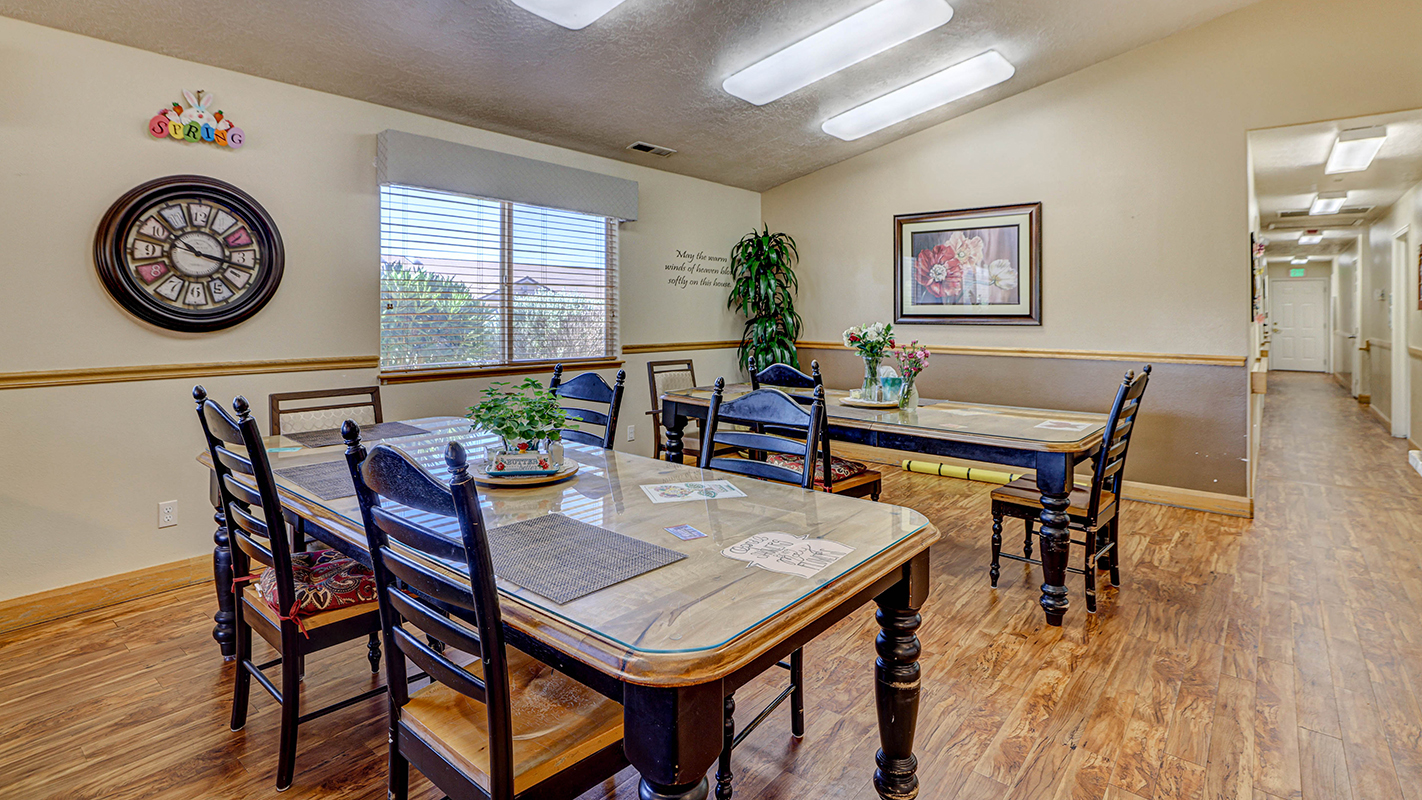
Another warning is bad communication when you simply try to schedule a tour. If messages are not returned, if no one can answer basic questions about costs, or if your visit feels chaotic and rushed, imagine what that appears like on a normal weekday evening when there is no prospective new client watching.
Trust your instincts. Households sometimes say, "I can not put my finger on it, however something felt off." Notice that, then back it up with more questions.
When Dementia or Cognitive Change Becomes Part Of the Picture
Many homeowners in assisted living have some degree of memory loss or cognitive modification, whether officially identified or not. That truth needs to notify what you look for.
If your loved one already has a diagnosis of dementia, ask straight how many homeowners in the building have similar requirements and how staff are trained to support them. Some communities have safe memory care systems; others serve people with moderate to moderate dementia in regular assisted living.
Key concerns consist of:
How they handle roaming or exit-seeking.
How they redirect homeowners who are upset, distressed, or repetitive. How they partner with families on behavioral modifications or progression of illness.Look for visual hints such as memory boxes outside house doors, contrasting colors in between floors and walls to help depth understanding, and simple signage. These details show whether the community has actually considered cognitive aging beyond lip service.
Ask whether they anticipate your loved one to remain in assisted living throughout the course of dementia, or whether there is a point at which a transfer to memory care or skilled nursing would be needed. Planning for that possibility now is far less unpleasant than responding in a crisis.
Working With Your Own Limits As a Caregiver
Many families stroll into assisted living guilt-ridden. A partner might feel they are "breaking a guarantee" to take care of their partner in your home till completion. Adult kids often see a parent's move as a reflection by themselves availability or love.
Here is the hard fact learned from years in senior care: physical care needs and security dangers do not stop briefly to safeguard household promises. At some point, what a single person can safely do in your home, even with outside aid, is simply not enough.
An excellent community does not change you. It broadens the group. It provides structure to the parts of care that are hardest to sustain every day: the night-time restroom trips, the consistent medication suggestions, the meals, the tracking for falls. That frees you to focus more on your relationship and less on being the only safety net.
If you utilize respite look after a trial stay, focus not just to how your parent does, but likewise to how you feel. Sleep. Notification whether your own health or state of mind begins to improve. Those are data points, not extravagances. Burned-out caretakers make more errors, which affects everyone.
Practical Techniques for Visiting Communities
A few small methods can make your visits more helpful and less overwhelming.
Consider this succinct on-site checklist when memory care near me you walk through a potential assisted living community:
- Arrive fifteen minutes early and wait in a typical area to observe unfiltered interactions.
- Ask to see a space that is all set however not specially staged and another presently inhabited (with the resident's consent).
- Stop and chat with a minimum of two current citizens and one relative if possible.
- Visit at least when in the evening or on a weekend when fewer managers are present.
- Take written notes within an hour of leaving, while impressions are fresh.
If a neighborhood thinks twice to let you speak to present citizens or insists you can just visit during narrow "tour times," probe the reasons. There may be a genuine explanation, however it is worth understanding.
Whenever possible, bring your parent or loved one on at least one visit. Even when cognition is impaired, individuals typically detect atmosphere. They may not remember details, but they remember how they felt. View body language. Do they relax, smile, engage with others, or withdraw and tighten up?
Bringing It All Together
Choosing assisted living, respite care, or any senior care setting is rarely a clean, direct choice. Requirements alter. Family characteristics matter. Finances form options. There is no best option, only the best fit readily available within your real-world constraints.
Use what you see, hear, and feel: the concrete information about staffing and security, the legal fine print, and the quieter observations from corridors and dining-room. Balance the amenities versus what your loved one actually worths. Treat respite care as a powerful tool, not a last resort.
Above all, bear in mind that you are not simply buying a bed and a meal strategy. You are choosing partners in elderly care, people who will witness small, intimate minutes in the last chapters of a life story. Put in the time to discover those who respect that obligation as much as you do.
BeeHive Homes of St George Snow Canyon provides assisted living care
BeeHive Homes of St George Snow Canyon provides memory care services
BeeHive Homes of St George Snow Canyon provides respite care services
BeeHive Homes of St George Snow Canyon offers 24-hour support from professional caregivers
BeeHive Homes of St George Snow Canyon offers private bedrooms with private bathrooms
BeeHive Homes of St George Snow Canyon provides medication monitoring and documentation
BeeHive Homes of St George Snow Canyon serves dietitian-approved meals
BeeHive Homes of St George Snow Canyon provides housekeeping services
BeeHive Homes of St George Snow Canyon provides laundry services
BeeHive Homes of St George Snow Canyon offers community dining and social engagement activities
BeeHive Homes of St George Snow Canyon features life enrichment activities
BeeHive Homes of St George Snow Canyon supports personal care assistance during meals and daily routines
BeeHive Homes of St George Snow Canyon promotes frequent physical and mental exercise opportunities
BeeHive Homes of St George Snow Canyon provides a home-like residential enviroMOent
BeeHive Homes of St George Snow Canyon creates customized care plans as residents’ needs change
BeeHive Homes of St George Snow Canyon assesses individual resident care needs
BeeHive Homes of St George Snow Canyon accepts private pay and long-term care insurance
BeeHive Homes of St George Snow Canyon assists qualified veterans with Aid and Attendance benefits
BeeHive Homes of St George Snow Canyon encourages meaningful resident-to-staff relationships
BeeHive Homes of St George Snow Canyon delivers compassionate, attentive senior care focused on dignity and comfort
BeeHive Homes of St George Snow Canyon has a phone number of (435) 525-2183
BeeHive Homes of St George Snow Canyon has an address of 1542 W 1170 N, St. George, UT 84770
BeeHive Homes of St George Snow Canyon has a website https://beehivehomes.com/locations/st-george-snow-canyon/
BeeHive Homes of St George Snow Canyon has Google Maps listing https://maps.app.goo.gl/uJrsa7GsE5G5yu3M6
BeeHive Homes of St George Snow Canyon has Facebook page https://www.facebook.com/Beehivehomessnowcanyon/
BeeHive Homes of St George Snow Canyon won Top Assisted Living Homes 2025
BeeHive Homes of St George Snow Canyon earned Best Customer Service Award 2024
BeeHive Homes of St George Snow Canyon placed 1st for Senior Living Communities 2025
People Also Ask about BeeHive Homes of St George Snow Canyon
How much does assisted living cost at BeeHive Homes of St. George, and what is included?
At BeeHive Homes of St. George – Snow Canyon, assisted living rates begin at $4,400 per month. Our Memory Care home offers shared rooms at $4,500 and private rooms at $5,000. All pricing is all-inclusive, covering home-cooked meals, snacks, utilities, DirecTV, medication management, biannual nursing assessments, and daily personal care. Families are only responsible for pharmacy bills, incontinence supplies, personal snacks or sodas, and transportation to medical appointments if needed.
Can residents stay in BeeHive Homes of St George Snow Canyon until the end of their life?
Yes. Many residents remain with us through the end of life, supported by local home health and hospice providers. While we are not a skilled nursing facility, our caregivers work closely with hospice to ensure each resident receives comfort, dignity, and compassionate care. Our goal is for residents to remain in the familiar surroundings of our Snow Canyon or Memory Care home, surrounded by staff and friends who have become family.
Does BeeHive Homes of St George Snow Canyon have a nurse on staff?
Our homes do not employ a full-time nurse on-site, but each has access to a consulting nurse who is available around the clock. Should additional medical care be needed, a physician may order home health or hospice services directly into our homes. This approach allows us to provide personalized support while ensuring residents always have access to medical expertise.
Do you accept Medicaid or state-funded programs?
Yes. BeeHive Homes of St. George participates in Utah’s New Choices Waiver Program and accepts the Aging Waiver for respite care. Both require prior authorization, and we are happy to guide families through the process.
Do we have couple’s rooms available?
Yes. Couples are welcome in our larger suites, which feature private full baths. This allows spouses to remain together while still receiving the daily support and care they need.
Where is BeeHive Homes of St George Snow Canyon located?
BeeHive Homes of St George Snow Canyon is conveniently located at 1542 W 1170 N, St. George, UT 84770. You can easily find directions on Google Maps or call at (435) 525-2183 Monday through Sunday 9:00am to 5:00pm
How can I contact BeeHive Homes of St George Snow Canyon?
You can contact BeeHive Homes of St George Snow Canyon by phone at: (435) 525-2183, visit their website at https://beehivehomes.com/locations/st-george-snow-canyon, or connect on social media via Facebook
Tonaquint Nature Center Tonaquint Nature Center offers quiet trails and wildlife viewing that support calming experiences for elderly care residents during assisted living, memory care, and respite care visits.